
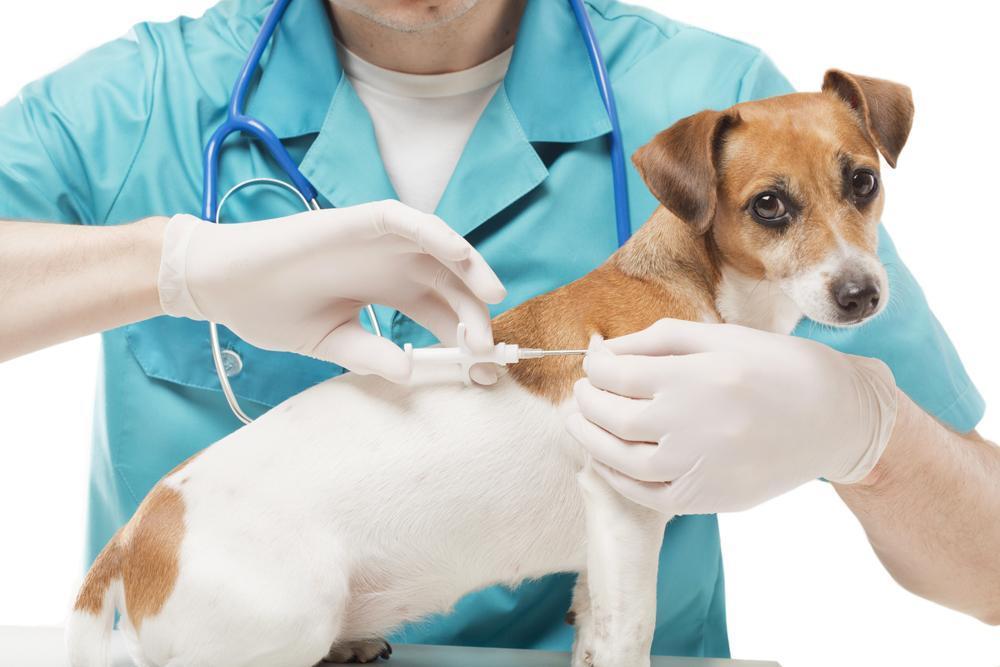
Approximately 10 million pets go missing in the United States every year . The difference between a permanent loss and a joyful reunion often comes down to a single question: is that animal chip registry entry active and accurate?
Registering a pet microchip is one of the most important steps you can take to protect your new puppy. In the United States, dog microchipping has become a standard practice recommended by veterinarians, shelters, and breeders.
But the chip itself is only half the solution. Without proper dog microchip registration in a trusted database, your puppy’s unique ID number cannot be linked back to you.
By enrolling your puppy’s microchip in a recognized animal chip registry, you ensure that if your dog is ever lost, scanned, or brought to a shelter, your contact information is immediately available.
This guide walks through the precise mechanics of how microchip recovery works, the data behind why registration matters, and the exact steps every puppy owner should take to ensure their best pet microchip registry entry is complete.
A microchip is a small, biocompatible RFID device placed under your puppy’s skin, usually between the shoulder blades. It’s about the size of a grain of rice, but it carries a unique pet ID number that can be read by a pet microchip scanner anywhere in the United States.
Unlike collars or tags, which can be lost or removed, a microchip is permanent. It becomes part of your dog’s identity and connects to a national pet microchip registration database once you complete the registration process.
Learn more about how microchips work in our pet ID guide
Before You Begin: Gather Your Information
The microchip number. This is the essential piece. It can be found in several places: Veterinary records, implantation certificate, adoption paperwork or do a veterinary scan
The manufacturer information. Different chips use different numbering systems and frequencies. While universal registries accept all brands, knowing the manufacturer can help verify compatibility.
Your contact information. Have your current phone number, address, and email ready. Also consider who should serve as emergency contacts—people the registry can contact if you cannot be reached.
Step 1: Choose a registry. Not all registries are equal. The best pet microchip registry options:
Step 2: Navigate to the registration portal. Visit the registry's website and locate the registration form.
Step 3: Enter the microchip number. Input the full number exactly as it appears on your documentation. Double-check for typos—a single digit error makes the registration useless.
Step 4: Create your owner profile.
Step 5: Add emergency contacts. Most registries allow you to designate backup contacts such as friends or family members who can be reached if you are unavailable when your pet is found.
Step 6: Complete the pet profile.
Step 7: Upload a photo. Visual identification helps shelters and finders confirm they have the right animal. A clear, recent photo is ideal.
Step 8: Review and submit. Verify all information for accuracy before final submission.
Step 9: Verify registration. After submitting, use any Universal Microchip Lookup Tool to confirm your chip number as the holding registry .
Updating is simpler than initial registration:
When you sell or rehome a puppy, the microchip must be transferred to the new owner. This is not automatic. The original owner must initiate the transfer.
The transfer process typically requires:
This ensures that ownership records remain accurate and that only authorized individuals can update the pet's information.
The American Veterinary Medical Association (AVMA) reports that only about 60% of microchipped pets are actually registered in an active database .
This creates a population of what pet recovery experts call "digital strays" animals with a physical chip but no digital tether to their owner .
The Numbers Behind the Gap
The consequences appear in the reunion statistics. Data from the AVMA shows:
|
Animal Type |
Return-to-Owner Rate (Microchipped) |
Return-to-Owner Rate (Non-Microchipped) |
|
Dogs |
52.2% |
21.9% |
|
Cats |
38.5% |
1.8% |
Source: Lord et al., JAVMA, 2009
For microchipped animals that still weren't returned to their owners, the primary reason was incorrect or missing registration information . The chip worked. The scanner worked. The database lookup worked. But the data itself was wrong.
Understanding what happens inside an animal shelter when a lost pet arrives clarifies exactly why registration matters.
Here is the precise sequence of events when a lost pet is found:
Every step depends on the one before it. If the chip isn't registered, the lookup returns nothing. If the registration information is outdated, the call never comes.
The entire process takes minutes. But it only works if two conditions are met: the chip must be registered somewhere, and the registry must be one of those participating in the AAHA lookup system.
Without registration:
Today, the tool checks dozens of registries simultaneously, returning instant results. It does not display the owner's private contact information that remains protected within each registry.
But it tells the shelter exactly which registry to contact, streamlining the recovery process dramatically.
In February 2025, a microchip database called Save This Life abruptly shut down, taking with it the contact information for countless pets across the United States
Veterinary clinics that had implanted thousands of these chips suddenly faced a harsh reality: the pets they'd helped protect were now, in the eyes of the recovery system, invisible.
At a nonprofit veterinary clinic in Charlotte, North Carolina, staff estimated that tens of thousands of animals they had personally microchipped became untraceable overnight .
The chips themselves were still there, resting safely under the skin, functioning exactly as designed. But the data linking those chips to worried owners had vanished.
This is the paradox of modern dog microchipping: the hardware is only half the equation. The other half is the pet microchip registration that connects that tiny implant to your personal info is what actually brings lost dogs home.
Without it, a pet microchip lookup returns nothing. The chip is just an inert object, a grain of promise that cannot be kept.
This gap exists for several predictable reasons:
The veterinary assumption. Many owners believe that the vet who implanted the chip also handled registration. In reality, most veterinary clinics implant the chip and provide the paperwork, but registration is the owner's responsibility .
Lost paperwork. Those registration forms and microchip stickers go into drawers, get misplaced during moves, or simply get forgotten in the chaos of new puppy ownership.
The "I'll do it later" trap. Life intervenes. The puppy grows. The chip remains unregistered, sitting silently under the skin for years.
Database fragmentation. There are dozens of microchip registries in the United States, each operating independently .
If an owner registers with a manufacturer-specific database and later loses access to that account or if that database shuts down entirely, the information becomes inaccessible.
|
Registry Service |
Coverage |
Update Process |
Cost |
Recognition |
|
Nationwide |
Instant online updates |
Affordable |
Trusted by vets & shelters |
|
|
Home Again |
Nationwide |
Online |
Varies |
Widely used |
|
24Petwatch |
Nationwide |
Online |
Varies |
Recognized in shelters |
Start your puppy’s registration with NMR today!
The registration form takes ten minutes. The updates take five. The peace of mind lasts a lifetime.
Visit NMR.pet today to complete your puppy's registration. Ensure that if your puppy ever takes an unplanned adventure, the science of reunification works exactly as designed, bringing them home to you.
.