
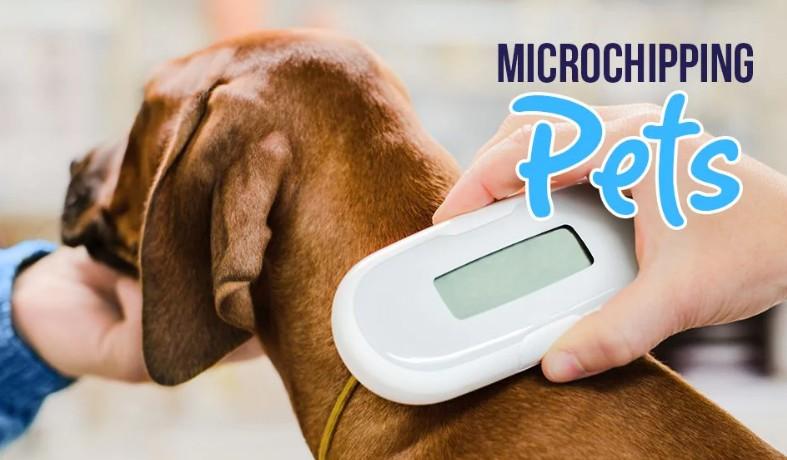
If you’re searching for dog microchip registration, register pet microchip, or the best pet microchip registry, chances are you’ve just brought home a puppy—or you’re about to.
Microchipping is often handled quickly at a vet visit, but national pet microchip registration is the step that actually protects your puppy long after the paperwork is forgotten.
In the U.S., thousands of dogs are microchipped every year, yet a significant number are never reunited with their families simply because their microchip was never registered—or was registered incorrectly.
A microchip without proper registration doesn’t link your puppy to you. It’s just an ID number with no destination.
This guide explains how to register dog microchip online, when to do it, what it costs, and how choosing a trusted national database like the National Microchip Registry helps ensure your puppy’s identity stays accurate, searchable, and secure for life.
Whether you’re a new puppy parent, a breeder, or preparing for a puppy sale, understanding microchip registration early can prevent costly mistakes later—and give your dog a permanent safety net from day one.
A microchip for puppies is a tiny electronic identifier, about the size of a grain of rice, placed just under the skin during a quick vet visit. It carries a unique ID number that can be scanned by veterinarians, animal shelters, breeders, and animal control officers
A microchip:
Instead, the chip acts like a permanent serial number. That number only becomes meaningful when it’s connected to your information through dog microchip registration in a national database.
Without completing national pet microchip registration, scanning the chip leads nowhere—no phone number, no address, no owner confirmation.
This is why vets and shelters emphasize that microchipping and registering are two separate steps, and both are required for real protection.
For puppy buyers and sellers, this distinction matters. A registered microchip creates a clear ownership trail, supports responsible puppy sales, and ensures the puppy can always be identified—even years later.
If you’re reviewing your puppy’s paperwork or adoption documents, checking whether the chip is registered is a smart place to start, check out our microchip registration →
Microchipping is often treated as a one-time task—done during a vet visit, checked off a list, and quickly forgotten. But dog microchip registration is what determines whether that chip actually works when it matters most.
In real-world situations, lost dogs are reunited with their families only when the microchip number leads to accurate, up-to-date owner information. Without registration, or with outdated details, that connection breaks.
If no record exists in a national pet microchip registration database, the search stops there.
This is especially important for:
A registered microchip creates a verified ownership link—one that stays with your dog for life, regardless of collars, tags, or paperwork.
If your puppy already has a chip but you’re unsure about registration, a quick lookup can confirm whether your details are actually connected →
Local or clinic-only databases may not be accessible outside a specific network.
A national pet microchip registration system allows shelters, vets, and authorities across the U.S. to perform a reliable pet microchip lookup, increasing the chances of a fast reunion.
That’s where the National Microchip Registry (NMR) fits in—by maintaining a centralized, searchable database designed for long-term pet identification, not just initial record-keeping.
What matters just as much as timing is when you are completing to register your dog microchip online. Delaying registration—even by a few weeks—creates a gap where the puppy is identifiable, but not traceable.
You can explore how national registries support lost pet recovery and ownership verification through our pet safety resources →
|
Puppy Stage |
What Happens |
Why It Matters |
|
6–8 weeks |
Microchip implantation |
Safe, quick, and permanent ID |
|
Same day or within days |
Dog microchip registration |
Links chip to owner details |
|
Before puppy sale or adoption |
Ownership confirmation |
Prevents disputes later |
|
Any life change |
Update registration |
Keeps records accurate |
For breeders and sellers, registering the microchip before or at the time of a puppy sale adds an extra layer of transparency. For buyers, it ensures the puppy’s identity is correctly transferred and protected from day one.
Can older puppies or adult dogs be registered later?
Yes. Even if your dog was microchipped months—or years—ago, you can still complete national pet microchip registration as long as you have the chip number.
If you’re unsure whether your puppy’s chip was registered at the time of purchase or adoption, checking early avoids complications later →
When pet parents search dog microchipping near me, they’re usually trying to answer two things quickly:
In the U.S., microchipping is a routine procedure offered by:
The process itself is simple and takes only a few minutes. A sterile microchip is inserted under the skin using a needle—no surgery, no anesthesia, and minimal discomfort for the puppy
If registration isn’t completed, the chip exists—but it isn’t usable in a real-world recovery situation.
Yes—free microchip registration can be reliable if it’s backed by a searchable, national database that shelters and vets actually use.
What matters more than price is:
This is why many pet parents choose to register pet microchip details directly with a centralized platform like the National Microchip Registry—to ensure the chip number leads to accurate owner information wherever the dog is found.
If your vet implanted the chip but didn’t complete registration, you can still register the microchip online →
Once your puppy has been microchipped, the next step is completing dog microchip registration online. This is where your puppy’s unique chip number is officially connected to you in a national pet microchip registration database.
Many pet parents assume the vet handles this automatically. In reality, registration is often the owner’s responsibility—especially after a puppy sale, adoption, or relocation.
The dog microchip registration form typically asks for:
The process usually takes just a few minutes, but it creates a permanent identification record that can be accessed through microchip registry lookup systems nationwide.
The best pet microchip registry is one that:
The National Microchip Registry (NMR) is designed to meet these needs by offering national pet microchip registration with long-term record reliability, making it easier for found pets to be reunited with their families.
If your puppy already has a chip but was never registered, you can complete registration at any time using the microchip number?
Then go to NMR for next steps →
Once registered:
This is the step that transforms microchipping from a formality into a working safety system.
Next, we’ll cover how microchip lookup actually works in real-world lost dog situations—and why national databases matter.
When a lost dog is brought into a vet clinic, shelter, or animal control facility, the very first step is a scan. This scan reveals only one thing: the microchip number.
What happens next depends entirely on where that number is registered.
If the number is missing from a national database, the search often ends there. A lookup is only as useful as the database behind it.
Most microchip lookup free tools are designed for professionals to prevent misuse. However, pet owners can:
Keeping this information current is just as important as registering it the first time.
Know more about our ESA terms →
Microchip registration isn’t a one-time task—it’s a living record that should evolve as your puppy’s life changes. One of the most overlooked steps in dog microchip registration is keeping owner details current, especially after a puppy sale or rehoming.
You should update your pet’s microchip record if:
Outdated information is one of the main reasons pet microchip lookup attempts fail—even when the chip is technically registered.
In most national systems, ownership updates don’t require re-microchipping. Instead, the existing chip number is retained, and the associated details are updated through the dog microchip registration online portal.
This process:
For breeders and sellers, ensuring the chip is either transferred or registered to the new owner at the time of sale helps build trust and professionalism.
If you recently purchased a puppy, confirming that the microchip record reflects your name, not the breeder’s…
There comes a small but important step →
Q: Is microchipping and registration really worth it?
Yes—microchipping only works when dog microchip registration links the chip to your contact details.
Q: What is the best place to register a pet microchip?
The best pet microchip registry is a nationally searchable database accessible to vets and shelters across the U.S.
Q: How much does it cost to microchip my dog in the U.S.?
Most vets charge $25–$60 for microchipping, while registration may be free or low-cost.
Q: Is dog microchip registration online?
Yes, dog microchip registration online can be completed in minutes using a digital registration form.
Q: Can I register a dog microchip for free?
Some registries offer free microchip registration, but national accessibility matters more than price. Check our affordable pricing →
Q: How does a microchip lookup work?
When a dog is found, vets or shelters perform a microchip registry lookup using the chip number.
Q: Can pet owners do a microchip lookup themselves?
Pet owners can usually verify registration status, while official pet microchip lookup is done by professionals.
Q: What if my puppy already has a microchip?
You can still complete national pet microchip registration using the existing chip number.
Q: What is the best age to microchip and register a puppy?
In the U.S., puppies can be safely microchipped at a very young age. Most vets recommend microchipping between 6 and 8 weeks, often during early vaccination or before a puppy is placed with a new family.
Q: What happens if a dog’s microchip is not registered?
An unregistered chip will not return owner details during a microchip lookup.
Q: Where should I register my dog’s microchip?
Registering with the National Microchip Registry (NMR) helps ensure your dog’s identity stays searchable nationwide.
Microchipping is common—but dog microchip registration is what makes that microchip truly meaningful.
For puppies, especially those being sold, adopted, or relocated, proper national pet microchip registration ensures their identity is always connected to the right person.
Choosing a reliable, nationally searchable registry like the National Microchip Registry (NMR) helps keep your puppy’s information accurate, accessible, and ready if it’s ever needed—quietly working in the background as your dog grows.
To register, update, or verify microchip registration for puppies, visit nmr.pet →
.