Types of Microchips for Dogs – Complete Guide for Pet Owners

Nov 28-2025

If you’ve ever searched dog microchipping near me or tried understanding the different types of microchips for dogs, you’re already doing something most US pet parents forget—learning how microchips actually work before you need them.

Every year, thousands of dogs go missing across the US, and the ones that make it back home fastest almost always have two things in common:

  1. a microchip, and
  2. a properly completed dog microchip registration.

But many owners don’t realize that not all microchips are the same. Different technologies, frequencies, scanners, and databases mean some chips are easier to detect and recover through shelters than others. 

And if the chip isn’t registered? It’s almost impossible for anyone to contact you—even if they scan it.

This guide breaks down everything US dog owners need to know in a simple, stress-free way:

  • the types of pet microchips used in the US
  • how vets and shelters actually help
  • the safest and most reliable options
  • cost, safety, and what to expect
  • and how to use a microchip lookup to confirm your pet’s chip is active

A nationwide system exists to reunite lost pets faster, and registering your dog’s microchip with a reliable database (like National Microchip Registry – NMR) is one of the easiest ways to make sure your pet is always protected.

What Does a Microchip Actually Do for a Dog?

A dog microchip is basically a lifelong digital ID—one that can’t fall off, fade, or get lost like a tag. Inside that tiny grain-of-rice–sized chip is a unique identification number that links your dog to your contact details through a dog microchip registration database.

Here’s the simplest way to understand it:

  • It’s not a GPS. You can’t track your dog’s location with a microchip.
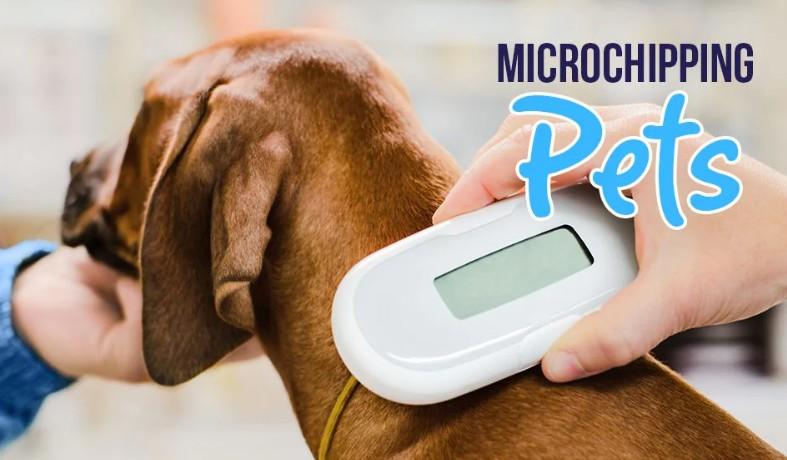
  • It’s passive RFID tech. A shelter or vet uses a microchip scanner for dogs to read the chip.
  • It pulls up your registration. The scanner shows your dog’s number → staff run a quick pet microchip lookup → your contact info appears if the chip is registered.
  • It helps reunite lost pets faster. US shelters rely on microchips more than tags because they’re permanent and universally scannable.

Most importantly, a microchip only does its job when the registration is active.

 If your contact details aren’t listed in a recovery database, the chip becomes just a number with no owner attached.

That’s why many US dog owners now use a microchip lookup or microchip registry lookup to check whether a chip is registered correctly—especially for newly adopted dogs, rescues, or puppies from breeders.

Quick Tip: If you’re unsure whether your dog’s chip is active, run a fast check using a free lookup tool such as the one offered by National Microchip Registry →

The 4 Main Types of Microchips for Dogs in the US 

Whether you search for types of pet microchips or specifically want to know about types of microchips for dogs, they’re usually about understanding which chip is widely used and which ones work across the US, and which microchip is safest for their dog

The good news is, despite many brands, there are only a few real types of microchips used in the US.

Below is the simplest breakdown of the core microchip technologies used today.

Quick Comparison Table: What US Dog Owners Should Know in 2025

Microchip Type

Frequency

Common in the US?

Pros

Cons

Best For

FDX-B (ISO 11784/11785)

134.2 kHz

Most common - Used by shelters, vets, and most breeders

Works with universal scanners

ICAR-approved


Universal readability, international compatibility

Needs registration

All dogs, puppies, and ideal for dogs who may travel internationally

FDX-A

125 kHz

Common in older dog chips or certain older clinic systems

Readable by many US scanners

Not ISO-compliant and not recommended for travel

Older dogs, imported dogs

HDX Microchips (High Definition)

134.2 kHz

Rare - Used mainly in livestock, but rarely in companion animals

Long read range

Not used in companion pets

Not commonly implanted by US vets

Working animals (rare)

Temperature-sensing chip

134.2 kHz

Growing

A newer variation used by some vets for health monitoring

Higher cost

Useful for puppies, seniors, and chronic health conditions

What Microchips Are Registered With National Recovery Databases?

Any microchip can be registered, but ISO FDX-B chips offer:

  • the highest scanning reliability
  • better compatibility with national systems
  • universal shelter readability
  • strong results in lost dog recovery cases

All these chips are passive (no battery, no signal, no GPS). They are safe, biocompatible, and designed to last a lifetime—but registration is still required for them to work.

Not sure which microchip your dog has?

Get a quick microchip registration online from NMR

Most Popular Microchip Types for Dogs in the US (Based on Real Usage)

Even though several types of pet microchips exist, US veterinarians, shelters, and breeders tend to rely on just a few options. 

1. ISO-Standard FDX-B Microchips (Most Common in the US)

This is the microchip type you’ll find in:

  • veterinary clinics
  • animal shelters
  • rescue organizations
  • reputable breeders
  • interstate travel documentation

FDX-B chips are considered the best microchips for dogs because:

  • they work with universal scanners
  • they’re ICAR-certified
  • they’re accepted in international pet travel
  • they have strong recovery success in the US

2. Universal Microchips (Most Shelter-Friendly)

A universal microchip just means it’s readable by most scanners used in US shelters. These are popular because they:

  • reduce scanning errors
  • support faster lost dog recovery
  • work with multiple registries

3. Biocompatible & Anti-Migration Microchips (Great for Sensitive Skin)

Some US brands offer microchips with:

  • safer, medical-grade coatings
  • improved stability
  • reduced chance of movement under skin

These are ideal for:

  • small breeds
  • dogs with allergies
  • puppies with thin skin

4. Mini Microchips (For Puppies & Toy Breeds)

These are exactly the same technology as regular chips—just smaller. Perfect for:

  • tiny puppies
  • toy breeds
  • dogs under 10 lbs

They are easier to implant and more comfortable for small dogs.

5. Temperature-Monitoring Microchips (Vet-Recommended in Special Cases)

These chips measure body temperature when scanned. Useful for:

  • senior dogs
  • dogs with chronic health issues
  • puppies under medical observation

While not required, some vets choose these for convenience and improved monitoring.

If you recently adopted a dog or bought a puppy and aren’t sure which microchip type they have, you can do a quick microchip registry database using the search tool from National Microchip Registry

Microchip Brands & Recovery Database Compatibility

Once dog owners understand the types of microchips, the next big question is:

“Which microchip brands actually work with US shelters and recovery databases?”

It’s an important question—because a microchip is only useful if:

  1. A shelter’s scanner can read it, and
  2. The registration connects to a searchable pet recovery system.

What Microchip Brands Do Vets Use in the US?

Most veterinarians prefer brands that offer:

  • easy registration
  • readable by universal scanners
  • supported by national pet recovery networks

These are used because they have the highest scanning reliability, especially during lost dog intake.

Which Microchip Brands Are Compatible With US Pet Recovery Databases?

In simple terms: Any ISO-standard FDX-B microchip can be registered with national US databases.

That means:

  • adopted dogs
  • breeder-microchipped puppies
  • imported dogs
  • shelter animals
  • rescues

…can all be tied to a recovery system as long as the number is active and searchable.

This flexibility is why the US strongly recommends ISO FDX-B chips—they’re consistent, compatible, and widely used for lost dog recovery.

How Brands Differ (Without Getting Too Technical)

Even though every microchip looks the same, brands vary in:

1. Scanner Compatibility

Some older chips require specific scanners, while newer universal chips work with:

  • shelters
  • rescues
  • vet clinics
  • emergency hospitals
  • animal control units

2. Recovery Database Connection

This is the most important factor.

A good microchip must link to a registry that shelters can easily search when a dog is found.

3. Registration Process

Some brands automatically link your contact info. Others require online sign-up.

Many pet parents don’t realize their chip isn't registered until their dog is lost.

4. Biocompatibility & Coating Material

Better materials mean:

  • less irritation
  • lower chance of migration
  • safer for dogs with sensitive skin

5. International Compatibility

If you ever plan to travel with your dog, ISO FDX-B microchips are essential.

What Should US Dog Owners Prioritize in a Microchip Brand?

Here’s a quick decision guide:

  • Universal readability: essential for shelters
  • FDX-B ISO standard: highest chance of successful scans
  • ICAR certification: confirms global compatibility
  • National registry support: connects to lost pet networks
  • Long-term stability: no battery = lifetime lifespan
  • Low migration rate: especially important for puppies
  • Clear online registration: no confusion or hidden fees

If a microchip doesn’t offer these, skip it.

Microchip Registration: Must-Read for US Dog Owners

Microchipping alone isn’t enough.

For shelters to contact you, the chip must be linked to your name and phone number through a dog microchip registration system.

Why Registration Matters

  • A scanned chip only shows a number.
  • Registration is what connects that number to you.
  • Unregistered chips are one of the biggest reasons lost dogs aren’t reunited.

How Registration Works

  1. Get your dog’s microchip number.
  2. Visit a trusted national pet recovery database.
  3. Enter your contact info and emergency backup number.
  4. Update any time you move or change phones.

Common US Mistakes

  • Assuming the vet “automatically registered it.” (They often don’t.)
  • Adopting a dog and forgetting to transfer the microchip.
  • Not checking if the chip is active in a searchable database.

When to Use a Microchip Lookup

  • You adopted or bought a puppy already microchipped
  • You don’t remember where you registered
  • You want to make sure the info is correct
  • You moved cities/states

Not sure if your dog’s chip is registered?

Use NMR’s Microchip Registry to confirm everything in under a minute.

FAQs

  1. What are the different types of microchips for dogs?
    FDX-B (ISO standard), FDX-A (older US type), HDX (rare), and temperature-sensing microchips.
  2. What microchip do vets use in the US?
    Most US vets and shelters use ISO FDX-B microchips because they’re universally readable.
  3. What is the most common dog microchip?
    FDX-B (134.2 kHz). It’s the standard for dogs, puppies, and international travel.
  4. How much does it usually cost to microchip a dog?
    Around $25–$70 at vet clinics, lower at shelters, and sometimes free at community events.
  5. Is dog microchipping safe?
    Yes. Microchips are non-toxic, FDA-approved, and rarely cause side effects.
  6. What does a microchip do for a dog?
    It stores a unique ID number that shelters can scan to contact the owner through a registry.
  7. Can I track my dog with a microchip?
    No. Microchips are not GPS devices. They only help identify your dog when scanned.
  8. Reasons not to microchip your dog?
    There are very few. Some dogs may have mild swelling, but complications are extremely rare.
  9. How do I know if my dog’s microchip is registered?
    Use a microchip lookup tool like NMR’s to check the registration status.
  10. Can microchips cause allergies or skin issues?
    Rarely. If your dog has sensitive skin, choose a microchip with a biocompatible coating.
  11. Are microchips compatible with international databases?
    ISO FDX-B chips are recognized globally, making them ideal for travel.
  12. What microchip is best for puppies?
    Mini FDX-B microchips are commonly used for small breeds and young puppies.
  13. How do different microchips vary in size?
    Standard chips are rice-grain sized; mini chips are slightly smaller for tiny dogs.
  14. Are there microchips with high scanning reliability?
    Yes—ISO FDX-B universal microchips offer the most consistent scan rate across US shelters.
  15. What should I do after adopting a dog that’s already microchipped?
    Transfer the registration to your name immediately through a national registry.

A Microchip Gives Your Dog a Lifetime of Safety

Microchipping is one of the simplest things you can do to protect your dog — whether you’re a first-time owner, adopting a rescue, or bringing home a new puppy. 

The right microchip, registered with the right database, makes it easier for shelters and vets across the US to reunite lost pets with their families faster.

Once you understand the types of microchips for dogs, how registration works, and what US shelters actually scan, choosing a chip becomes simple.

Already registered?

Use the Microchip Registration Services from NMR to check and update the properly linked your contact information.

.